Tirzepatide is a relatively new medication that has gained significant attention in recent years, particularly in discussions around blood sugar regulation and weight management.

Many people searching for tirzepatide are trying to understand what it is, how it works, and why it is being talked about so widely in both medical and public conversations.
This page provides a clear, evidence-based overview of tirzepatide. It explains its mechanism, current uses, and the context behind its growing interest. If you’re new to the topic, this guide will help you build a solid foundation before exploring more specific areas such as dosing, safety, or comparisons with other medications.
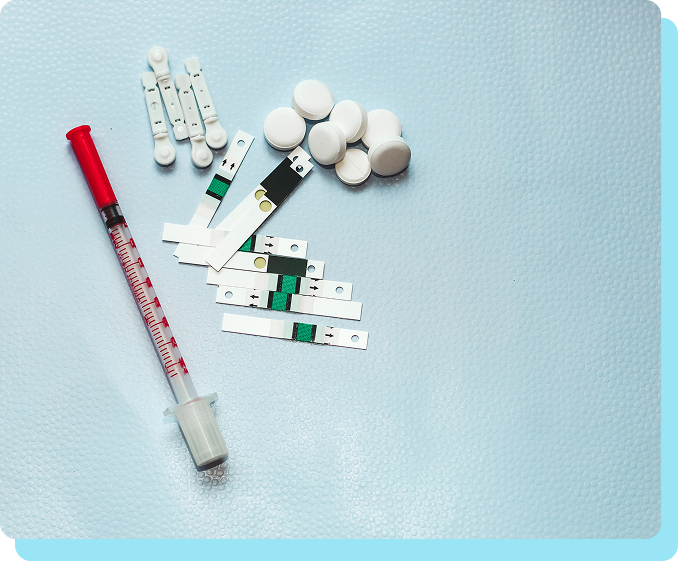
Tirzepatide is a medication that belongs to a class of drugs designed to influence hormones involved in blood sugar regulation and metabolism. It is commonly described as a dual incretin receptor agonist, meaning it targets two different hormone pathways in the body:
These hormones play key roles in how the body processes food, regulates insulin, and signals fullness.
Unlike earlier medications that act on only one of these pathways, tirzepatide is unique because it activates both. This dual action is a central reason why it has been studied extensively in recent years.



Interest in tirzepatide has grown for several reasons:

Blood Sugar Management
Tirzepatide has been studied for its effects on blood glucose levels, particularly in individuals with type 2 diabetes. Research suggests it may help improve glycemic control by:
Weight-Related Research
Another major reason for its popularity is its association with weight-related outcomes. Some studies have explored how tirzepatide affects appetite, calorie intake, and body weight.
However, it is important to understand that:
Tirzepatide is also being studied for its potential effects on broader metabolic markers, including:
This has positioned it within a larger conversation about metabolic health and chronic disease management.
To understand tirzepatide, it helps to look at the two hormone systems it interacts with.
GLP-1 is a hormone released after eating. It helps:
Medications that target GLP-1 have been used for years in diabetes care.
Tirzepatide activates both GLP-1 and GIP receptors. This dual mechanism may:
That said, the exact interplay between these pathways is still being studied, and researchers continue to explore how these effects translate into long-term outcomes.
GIP is another hormone involved in insulin secretion. It also plays a role in:
Historically, GIP has been less targeted in medications, but newer research suggests it may have complementary effects when combined with GLP-1 activity.

Tirzepatide has been approved in certain regions for specific medical uses, particularly in the management of type 2 diabetes. However, how it is used can vary depending on:

Tirzepatide is typically administered as a once-weekly injection. The injection is given under the skin (subcutaneous), often in areas such as:
Dosing is usually adjusted gradually over time, depending on individual response and tolerance.
Because it affects multiple hormonal systems, dosing strategies are designed to balance effectiveness with tolerability.



While tirzepatide has generated significant interest, it is important to approach the topic with nuance.
Individual Variability
Not everyone responds to medications in the same way. Factors that influence outcomes include:
Side Effects and Tolerability
Like many medications that affect digestion and metabolism, tirzepatide may cause side effects. These can include:
Severity and frequency vary between individuals.
Long-Term Data
Although early results are promising in some areas, long-term data is still being collected. Questions remain around:
Not a Standalone Solution
Tirzepatide is typically considered part of a broader health approach that may include:
What People Commonly Ask About Tirzepatide
No. While tirzepatide does activate the GLP-1 receptor, it also targets the GIP receptor. This dual action is what makes it different from traditional GLP-1-only medications.
Tirzepatide has been studied for weight-related outcomes, and approvals may vary depending on the region and specific formulation. It’s important to check current regulatory guidance and consult a healthcare provider.
Some effects on blood sugar may be observed relatively early, but broader outcomes—such as changes in weight or metabolic markers—typically develop over time. Response rates vary significantly between individuals.
Current research suggests it is generally well-tolerated in many individuals when used appropriately. However, like all medications, it carries potential risks and side effects. Ongoing research continues to evaluate its long-term safety profile.
Certain individuals may not be appropriate candidates, including those with specific medical conditions or contraindications. A healthcare professional should evaluate whether it is suitable based on personal medical history.
Both medications affect the GLP-1 pathway, but tirzepatide also targets GIP. Comparative studies are ongoing, and differences in outcomes, side effects, and suitability may vary depending on the individual.
Tirzepatide represents an important development in the study of metabolic health. By targeting both GLP-1 and GIP pathways, it offers a different approach compared to earlier medications focused on a single hormone system.
Current research suggests it may play a role in blood sugar regulation and is being studied for broader metabolic effects. However, as with any evolving treatment, it is important to consider the limitations, individual variability, and the need for continued research.
If you’re exploring tirzepatide further, consider reviewing related topics such as dosing strategies, safety considerations, and comparisons with other medications to build a more complete understanding.