Obstructive sleep apnea (OSA) is a common condition, particularly among adults with overweight or obesity.

It is characterized by repeated pauses in breathing during sleep due to upper airway collapse, often leading to poor sleep quality, daytime fatigue, and long-term cardiovascular risks.
In recent years, there has been growing interest in how metabolic therapies may influence sleep apnea. Tirzepatide—originally developed for type 2 diabetes and now used in chronic weight management—has also been studied in the context of obstructive sleep apnea in adults with obesity.
This page explains how tirzepatide relates to sleep apnea, what current evidence suggests, and what the FDA-approved indication means clinically. It is designed to help you understand the role of this medication within a broader treatment framework—not as a standalone solution, but as part of a more comprehensive approach.
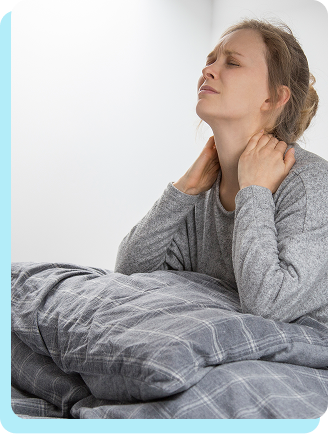
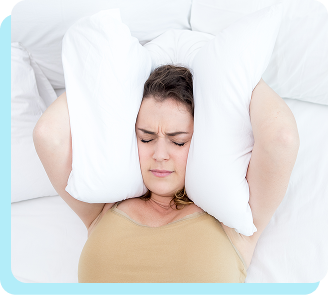

Obstructive sleep apnea occurs when the muscles of the throat relax excessively during sleep, causing the airway to narrow or close. This results in repeated breathing interruptions, often lasting 10 seconds or longer.
Obesity is one of the strongest risk factors for OSA. Excess fat around the neck and upper airway can increase airway collapsibility, while abdominal fat may impair respiratory mechanics.
For this reason, weight reduction has long been considered a key component of sleep apnea management, particularly in moderate to severe cases.
Tirzepatide has received FDA approval for use in adults with obesity and moderate-to-severe obstructive sleep apnea, specifically in the context of weight-related disease management.
The approval is not based on tirzepatide directly “treating” airway collapse in the same way that mechanical therapies do. Instead, it reflects evidence that:
It is important to understand this distinction:
In other words, tirzepatide is not a replacement for established sleep apnea treatments but may complement them in appropriate patients.
Current research suggests that the main pathway through which tirzepatide may improve sleep apnea is weight reduction.
Weight loss can lead to:
Even modest weight loss has been associated with improvements in apnea-hypopnea index (AHI), a key measure of sleep apnea severity.
There are also indirect mechanisms being studied, including:
However, these effects are still being explored, and more research is needed to determine their clinical significance in sleep apnea specifically.

Clinical trials evaluating tirzepatide in patients with obesity and obstructive sleep apnea have reported:
These findings support the idea that metabolic treatment can influence sleep-related breathing disorders.
While results are promising, it is important to interpret them carefully:
This aligns with the broader understanding that OSA is a multifactorial condition, not solely driven by weight.

Tirzepatide may be considered in adults who meet certain criteria, typically including:
Healthcare providers typically evaluate:
This individualized approach helps determine whether tirzepatide may be appropriate as part of a broader care plan.

CPAP remains the gold standard for moderate to severe OSA. It works by delivering continuous air pressure to keep the airway open during sleep.
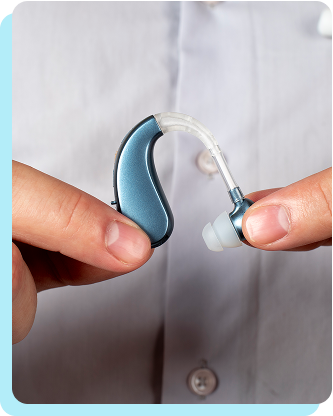
These devices reposition the jaw to reduce airway obstruction.
Understanding these differences is important when comparing treatment strategies.


Tirzepatide has a known safety profile, primarily based on its use in diabetes and weight management.
These effects are often dose-dependent and may improve over time.
Patients should always discuss potential risks and benefits with a qualified healthcare provider.
Tirzepatide does not directly open the airway during sleep. It should not be viewed as a replacement for CPAP or other primary treatments.
Not all patients experience the same degree of weight loss or improvement in sleep apnea severity.
While current research is promising, long-term outcomes specific to sleep apnea are still being studied.
Both medication adherence and continued use of OSA therapies (like CPAP) play a role in overall outcomes.
Tirzepatide is part of a broader shift toward metabolic approaches in chronic disease management, but more research is needed to fully understand its role in sleep disorders.
Common questions about tirzepatide , answered objectively
No. Tirzepatide is not considered a cure for sleep apnea. It may help reduce severity in some individuals, primarily through weight loss, but many patients continue to require other treatments.
In most cases, yes—at least initially. CPAP provides immediate airway support, while tirzepatide works gradually. Any changes to CPAP use should be guided by a healthcare provider and follow-up sleep studies.
Improvements may take several weeks to months, depending on the degree of weight loss and individual response. Regular monitoring is important.
Tirzepatide has been approved for use in adults with obesity and obstructive sleep apnea in the context of weight-related disease management. This reflects its role as an adjunctive therapy rather than a primary airway treatment.
Individuals with certain medical conditions, contraindications, or intolerance to similar medications may not be suitable candidates. A healthcare provider can assess eligibility on a case-by-case basis.
Tirzepatide represents an evolving approach to managing conditions that are closely tied to metabolism, including obstructive sleep apnea in adults with obesity.
Current research suggests that meaningful weight loss can lead to improvements in sleep apnea severity, and tirzepatide may play a role in supporting that process. However, it is not a replacement for established therapies like CPAP and should be viewed as part of a broader, individualized treatment plan.
If you are exploring treatment options, understanding how tirzepatide fits alongside other therapies can help you have more informed discussions with your healthcare provider.
For a deeper understanding of how this medication works and how it is used more broadly, you may also want to explore related pages such as Tirzepatide for Weight Loss or our general FAQ guide.