Tirzepatide has been widely discussed in the context of weight management and type 2 diabetes, but interest is growing around its potential relevance to heart health.

This is largely because many of the conditions tirzepatide is used to address—such as obesity, insulin resistance, and elevated blood sugar—are closely linked to cardiovascular risk
Current research suggests that tirzepatide may influence several cardiometabolic markers associated with heart disease. However, it is important to interpret these findings carefully. While early data is promising, tirzepatide is still being studied for long-term cardiovascular outcomes, and not all effects are fully understood.
This page explains how tirzepatide is being discussed in relation to heart health, what the emerging evidence shows, and how to place these findings in proper clinical context.



Heart health is influenced by a combination of factors rather than a single measurement. These include:
These factors are often grouped under the term cardiometabolic health, which reflects how metabolic conditions affect the cardiovascular system.
Excess body weight—particularly visceral fat around internal organs—is strongly associated with:
Because tirzepatide is primarily used in the context of weight management and metabolic regulation, its relevance to heart health is often discussed through these interconnected pathways.
For a broader overview of how tirzepatide affects weight, see Tirzepatide for Weight Loss.
Tirzepatide is a dual GIP and GLP-1 receptor agonist. These hormones are involved in:
By targeting both pathways, tirzepatide influences metabolic processes that are closely tied to cardiovascular risk.
While this mechanism is not directly focused on the heart, its downstream effects on weight, glucose, and inflammation are what make it relevant in discussions about heart health.

Weight loss is one of the most consistent ways to reduce cardiovascular risk. Even modest reductions in body weight have been associated with improvements in:
Clinical trials have shown that tirzepatide can lead to significant weight reduction in many individuals. These outcomes are often larger than those seen with some earlier therapies, although results vary by person and dose.
Because of this, tirzepatide is frequently discussed as part of a broader cardiometabolic strategy.
However, it is important to distinguish between:
For a comparison with similar medications, see Tirzepatide vs Semaglutide.
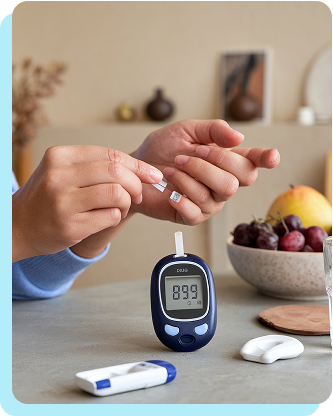
Elevated blood glucose levels are a major risk factor for cardiovascular disease. Chronic hyperglycemia can damage blood vessels and contribute to:
Tirzepatide has been shown to significantly improve:
Improved glycemic control may reduce cardiovascular risk over time, particularly in individuals with type 2 diabetes.
However, while better glucose control is associated with improved outcomes, it does not automatically translate into reduced cardiovascular events. Long-term outcome data is still being evaluated.


Abnormal lipid levels—such as high LDL cholesterol and triglycerides—are key contributors to atherosclerosis and heart disease.
Some studies of tirzepatide have observed improvements in:
These changes are likely influenced by weight loss and improved metabolic function rather than a direct lipid-lowering mechanism.
The degree of improvement varies, and lipid changes alone should not be interpreted as proof of cardiovascular protection.

Hypertension is one of the strongest predictors of cardiovascular disease. Even small reductions in blood pressure can have meaningful effects on long-term risk.
Clinical data suggests that some individuals using tirzepatide experience modest reductions in:
These changes are likely secondary to:
Again, while these findings are encouraging, they do not establish tirzepatide as a primary treatment for hypertension.

Chronic low-grade inflammation plays a role in:
Markers such as hsCRP and IL-6 are often used to assess inflammatory status.
Some research suggests that tirzepatide may be associated with reductions in inflammatory markers. This may reflect:
For a deeper exploration of this topic, see Tirzepatide and Inflammation.
However, it is important to note:
Improving risk factors (weight, glucose, lipids) is important, but the most meaningful question is whether a treatment reduces:
These are known as cardiovascular outcomes.
As of now:
This means that while tirzepatide is being studied for potential cardiovascular benefits, it is not yet fully established as a cardiovascular risk-reduction therapy in the same way as some other medications with completed outcome trials.

While improvements in risk factors are encouraging, long-term outcome data is still developing. It is important not to assume that changes in markers automatically translate into reduced cardiovascular events.
Many of the observed benefits—such as improvements in blood pressure or lipids—are likely driven by:
This distinction matters when interpreting the role of the medication.
Not everyone experiences the same degree of:
Factors such as baseline health, adherence, and coexisting conditions all play a role.
Tirzepatide does not replace:
It should be viewed as part of a comprehensive care plan rather than a substitute.
As with many newer therapies, long-term data continues to evolve. Ongoing research will provide a clearer understanding of sustained effects over time.
Common questions about tirzepatide, answered objectively
Current research suggests improvements in several cardiovascular risk factors, but definitive evidence showing reduced rates of heart attack or stroke is still being studied. Long-term outcome trials are needed to confirm this.
No. Tirzepatide is not classified as a cardiovascular drug. It is used for metabolic conditions such as type 2 diabetes and chronic weight management, though its effects may influence heart-related risk factors.
Some studies suggest modest improvements in cholesterol and triglycerides, often associated with weight loss. However, it is not a primary lipid-lowering therapy.
Modest reductions in blood pressure have been observed in some individuals, likely related to weight loss and improved metabolic health. It is not a substitute for dedicated blood pressure medications.
Individuals with obesity, insulin resistance, or type 2 diabetes—conditions that increase cardiovascular risk—may experience improvements in related risk factors. However, suitability depends on individual medical evaluation.
Compared to other therapies, tirzepatide is primarily focused on metabolic regulation. For a detailed comparison, see Tirzepatide vs Semaglutide and Zepbound vs Wegovy.
Tirzepatide is increasingly discussed in the context of heart health because of its effects on weight, blood sugar, and other cardiometabolic markers. Current research suggests that it may support improvements in several risk factors associated with cardiovascular disease.
However, it is important to interpret these findings carefully. Tirzepatide is not a direct cardiovascular treatment, and long-term outcome data is still emerging. Many of its potential benefits appear to be indirect, driven by improvements in metabolic health.
For individuals exploring treatment options, understanding how tirzepatide fits into a broader strategy is key. It is best considered as one component of a comprehensive approach to long-term health.
If you are considering next steps, the Get Started page provides an overview of how evaluation and treatment pathways are typically approached.